Written By: Stephen Dethrage
There are countless reasons to plan a trip to Tuscaloosa, whether you’re heading to a home game at Bryant-Denny Stadium on a crisp fall Saturday or catching an incredible summer show at the Mercedes-Benz Amphitheater.
One year-round draw is the area’s natural beauty, where the last rocks of the Appalachian range meet the northern reaches of the Upper Coastal Plain, creating a geologically and biologically diverse wonderland for any outdoors enthusiast.
Combine the region’s richness with well-developed access to a half-dozen beautiful bodies of water and temperate weather in every season, and it’s easy to see why Tuscaloosa is a paddler’s paradise.
Kayakers, canoeists, and paddleboarders can use the guide below to plan floats and fishing trips and see for themselves why Tuscaloosa is one of the best places in Alabama for paddlers to visit—or live.
Always wear a personal flotation device, never litter, and research and follow the rules for each spot below before you go.
Lake Nicol
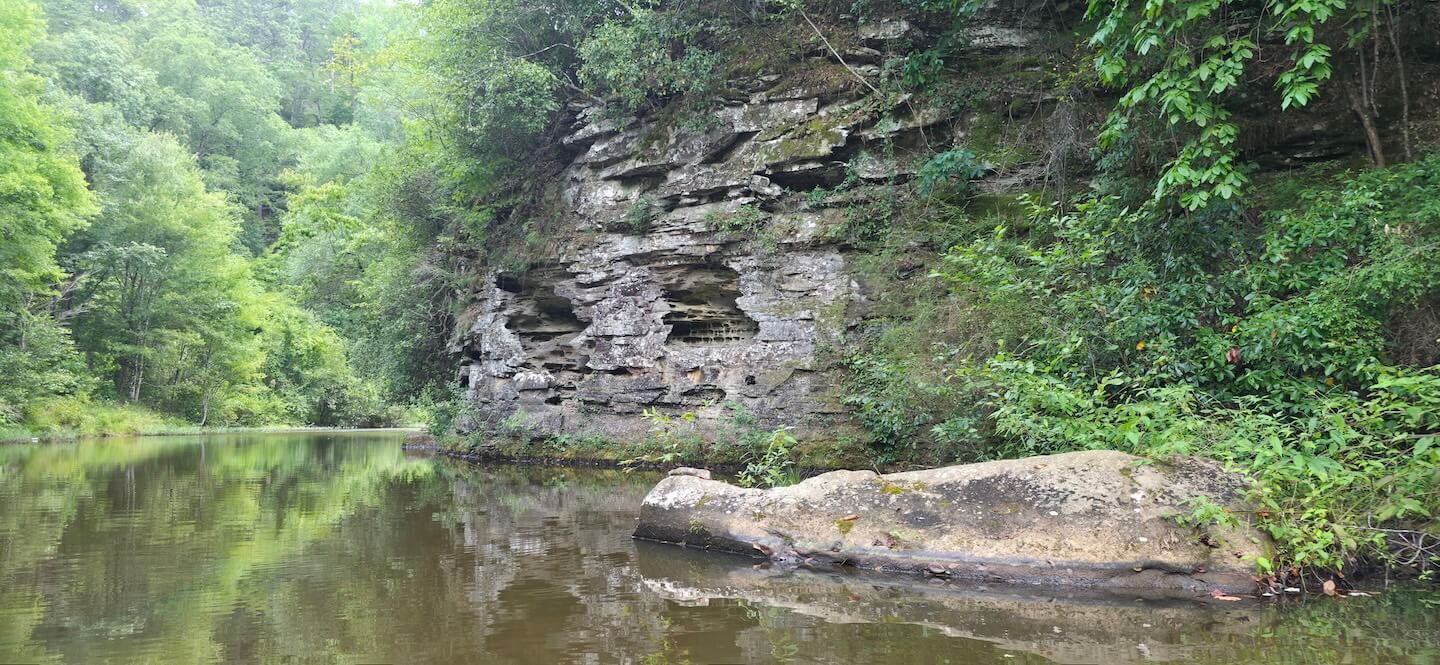
Lake Nicol is a scenic treasure with a long list of benefits for new and veteran paddlers alike—and almost no drawbacks.
The city of Tuscaloosa created Lake Nicol in 1954 by damming Yellow Creek and expanded it in 1959 by adding five feet to its spillway. The lake covers 384 acres and contains more than three billion gallons of water—a medium-sized waterbody that an experienced paddler could explore in a day.
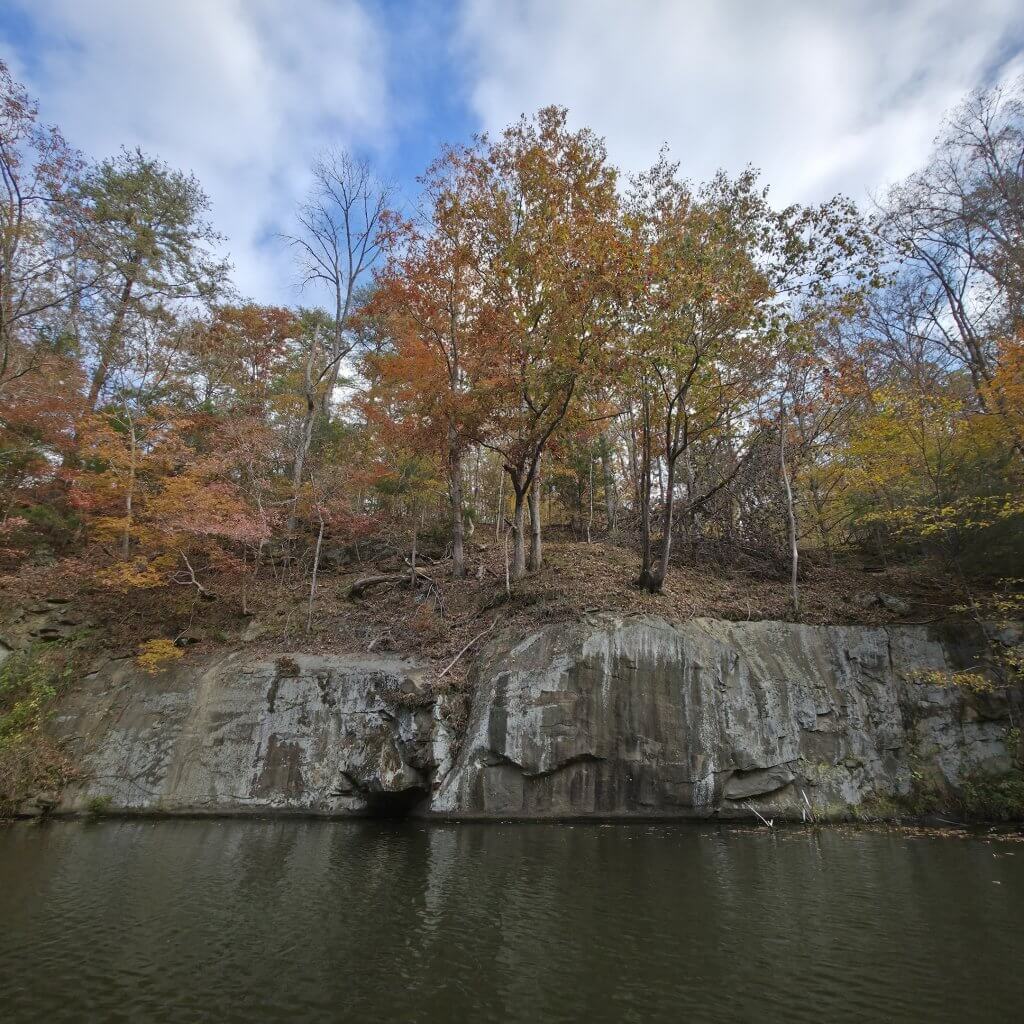
A fully paved road makes the lake easy to reach, no matter what you’re driving. Its signature eroding sandstone cliffs line the lakeshore, and while cliff-diving is both dangerous and illegal, seeing the rock formations from the water offers a unique perspective on one of the area’s most iconic outdoor features.
Anglers will find bass and crappie throughout the lake, and birdwatchers can spot great blue herons, kingfishers, and dozens of other species visiting or living there.
A city spokesperson said they lowered the water level at Lake Nicol by five feet in 2024, and inspections of its dam and spillway were still ongoing in 2026. The water level will likely remain reduced for at least the next year or two. The lake is still navigable by kayak, canoe, and paddleboard, but visitors should expect shallow water in some areas.
Harris Lake
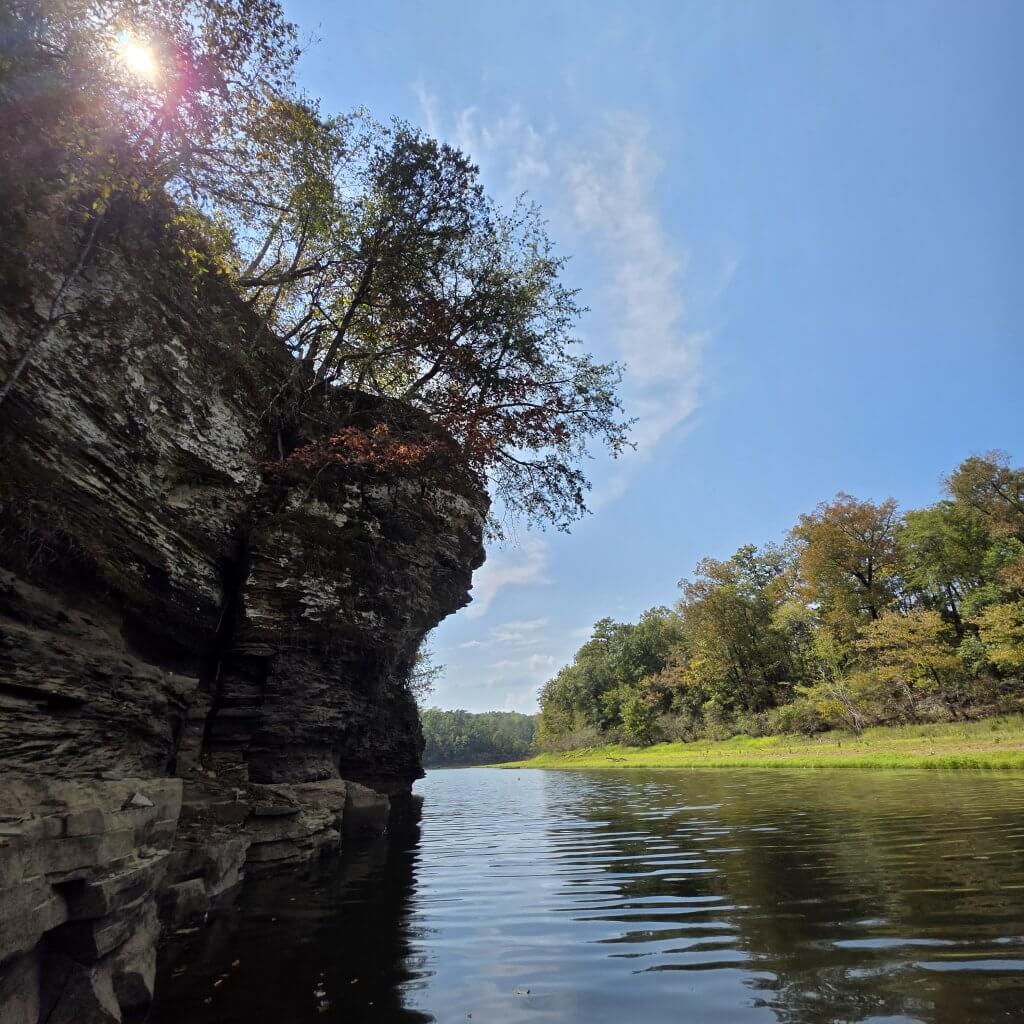
Built in 1929 by damming Yellow Creek, Harris Lake is something like an older but smaller sister to Lake Nicol, and prominent sandstone cliffs line its shores.
There is no residential or commercial development around Harris Lake, making it a pristine natural environment, and its 220-acre size means it is small enough for any paddler to explore in a single float.
The only spots to put a canoe, kayak, or paddleboard in are at the end of a long dirt-then-gravel road and at the bottom of a hill, so make sure your vehicle is up to the task of getting there and back out again.
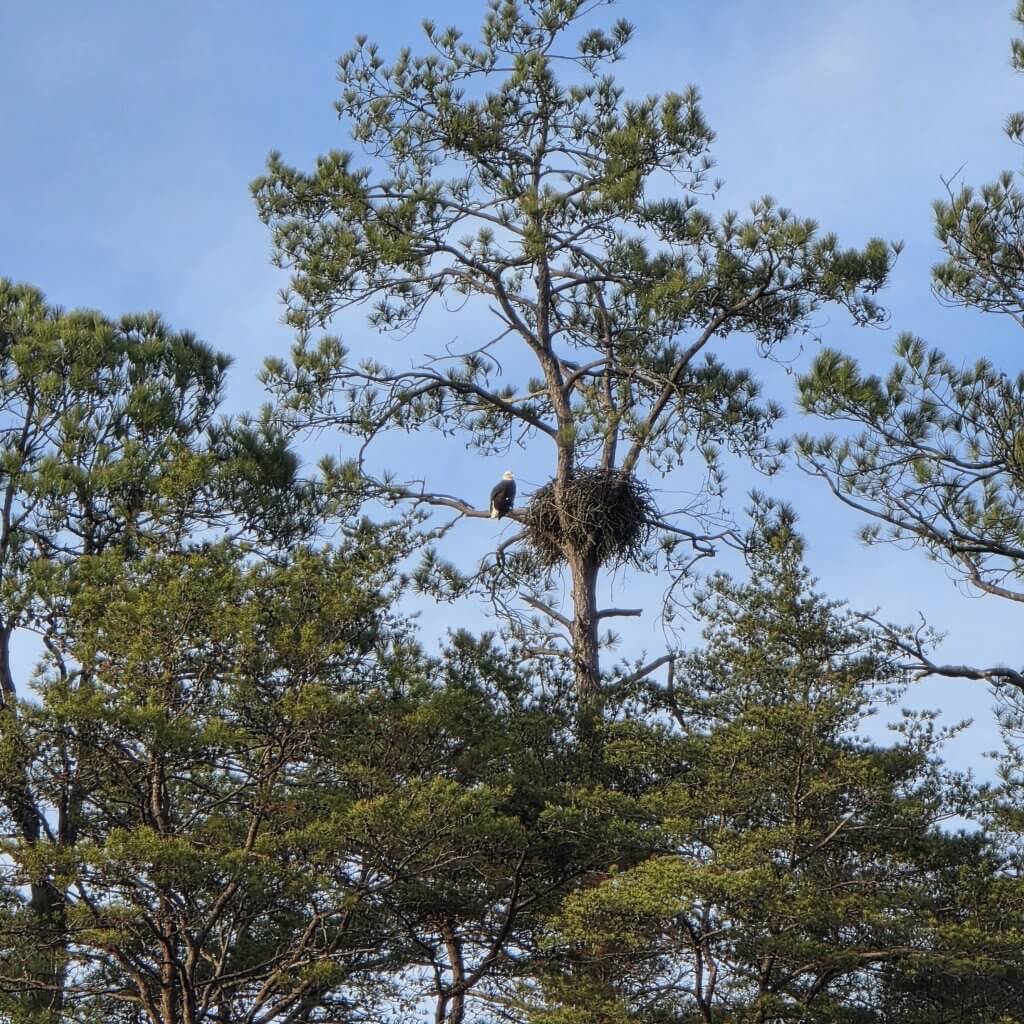
That trickier access also makes Harris Lake more secluded and peaceful than Lake Nicol, allowing paddlers to see even more wildlife. In addition to the bird and fish species above, visitors may see deer, wild hogs, coyotes, and even bald eagles, which are known to nest in trees along the lakeshore.
Hurricane Creek
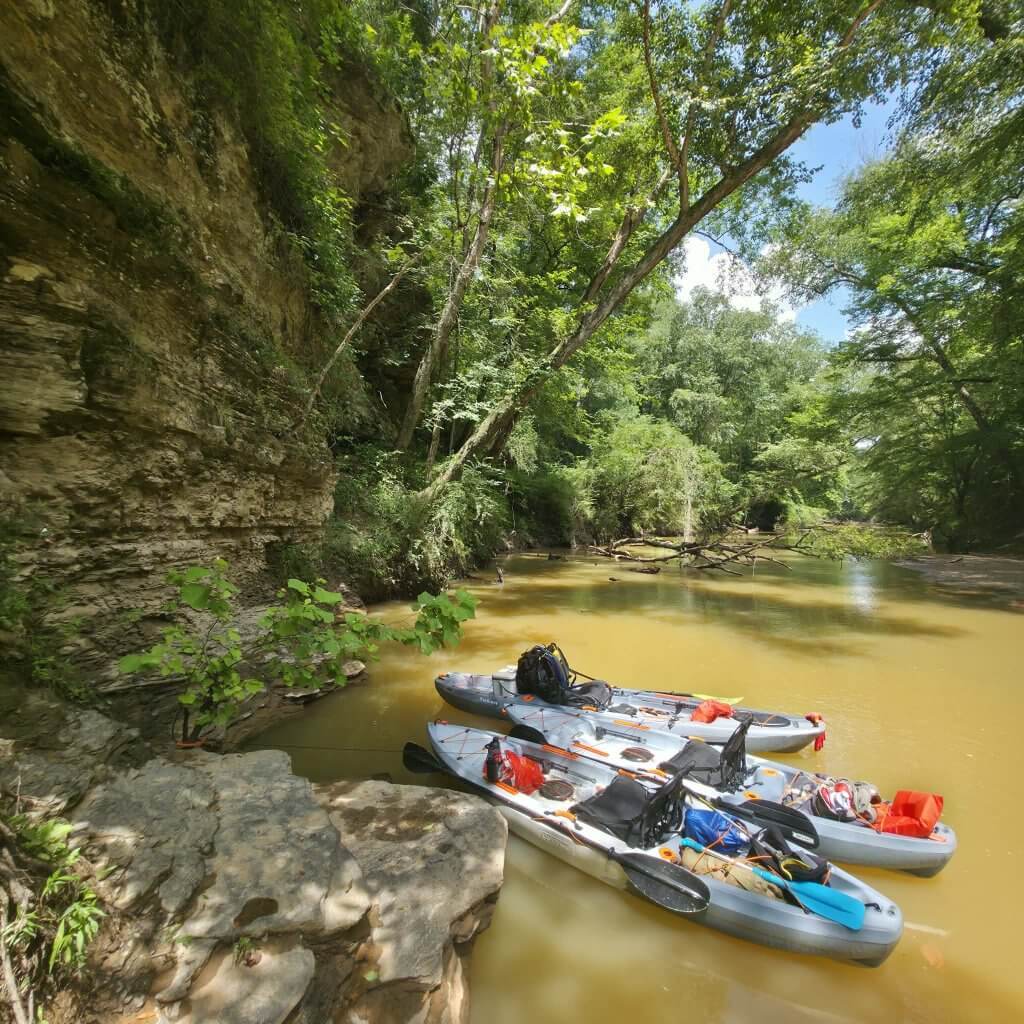
If the still, calm lakes on this list don’t suit you, Tuscaloosa’s Hurricane Creek can offer experienced paddlers a taste of moving water when conditions are right.
Hurricane Creek is the last free-flowing, rock-lined Appalachian stream before the geological Fall Line at Tuscaloosa. After decades of activists’ work to clean and protect it, the creek is now as biodiverse as anywhere in the state—except maybe “Alabama’s Amazon,” the Cahaba River. Trees, wildflowers, and fish species are abundant, and the ecosystem is thriving.
Safe enjoyment of Hurricane Creek depends on its water level—too little will make it difficult to enjoy, and too much could be dangerous without experience.
As with any moving water, you’ll need to plan where to put in and take out, though many area paddlers start from PARA’s Hurricane Creek Park on Old Birmingham Highway.
From there, you can coordinate with a property owner along the creek for takeout or ride Hurricane Creek all the way to the Black Warrior River and use the takeout at the Riverview Boat Landing. That’s a journey of more than 11 miles and is not recommended for new paddlers.
Black Warrior River (Oliver Lake and Holt Lake)
Although the Black Warrior River was once a wild river of shoals, small lakes, rapids, and waterfalls, the U.S. Army Corps of Engineers built a series of dams to tame it and enable commercial traffic from Birmingham and Tuscaloosa to move up and down the waterway.
Near Tuscaloosa, paddlers can hop on the river at the nine-mile Oliver Lake, the portion of the Black Warrior where it runs past Tuscaloosa and Northport. From Riverview Landing off Jack Warner Parkway, you can float southwest under the Woolsey Finnell and Hugh Thomas Bridges, passing the Tuscaloosa Riverwalk. Alternatively, heading northeast will take you past Nucor Steel and under the Bryant Bridge.
Above the Holt Lock and Dam, the Black Warrior is known as Holt Lake, a winding 18-mile stretch of river surrounded by rocky cliffs and tall trees where bald eagles are known to nest. The Corps of Engineers maintains a handful of recreational sites and boat ramps on this more secluded lake, such as the Deerlick Creek Campground, a few miles northeast of Tuscaloosa.
On both of these bodies of water, paddlers should keep their eyes and ears open for motorboats, jet skis, and commercial vessels like coal barges, and always give those craft the right of way. You must also maintain a safe distance from the Holt and Oliver locks and dams.
Lake Lurleen State Park
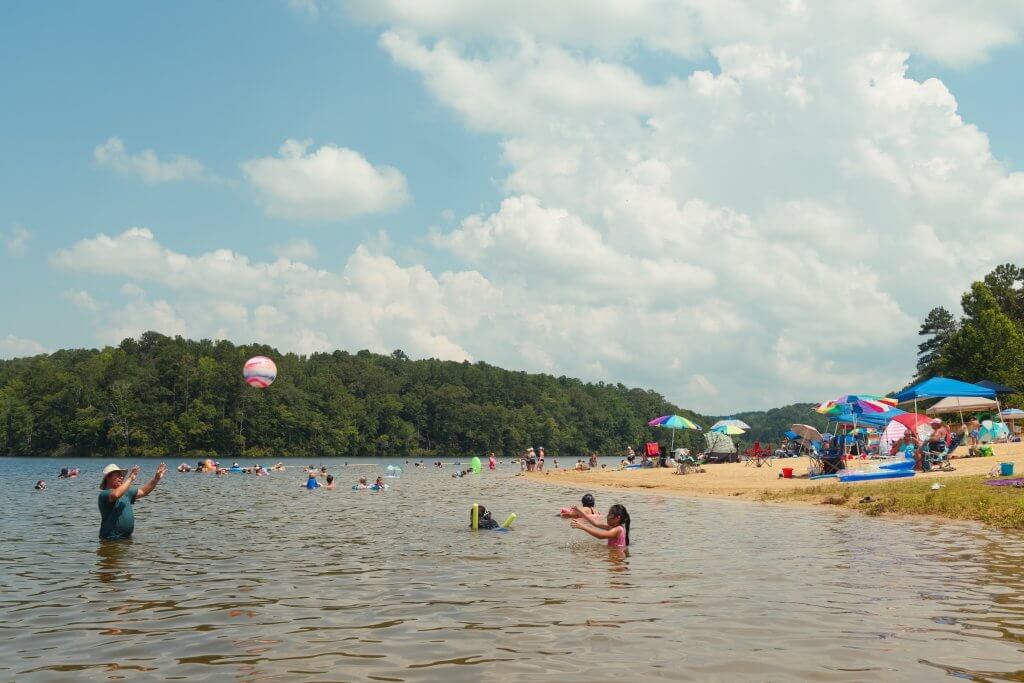
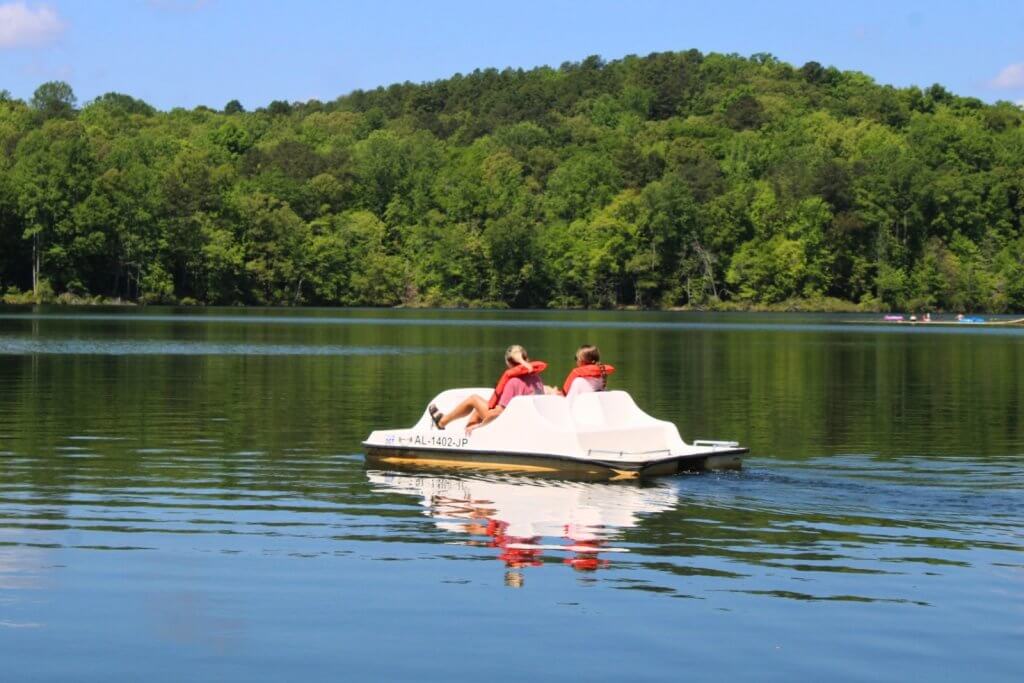
As its name suggests, the star attraction at Lake Lurleen State Park is the 250-acre, tree-lined lake located about 10 miles northwest of Tuscaloosa and Northport. The small waterbody is a mile and a half long and about half a mile wide, making it a playground for paddlers of any experience level.
The facility is an Alabama State Park, and a fee is collected at the entry gate to access the lake. The park also rents paddle boats, paddleboards, fishing boats, and kayaks by the hour, so you can hit the water without hauling your own boat.
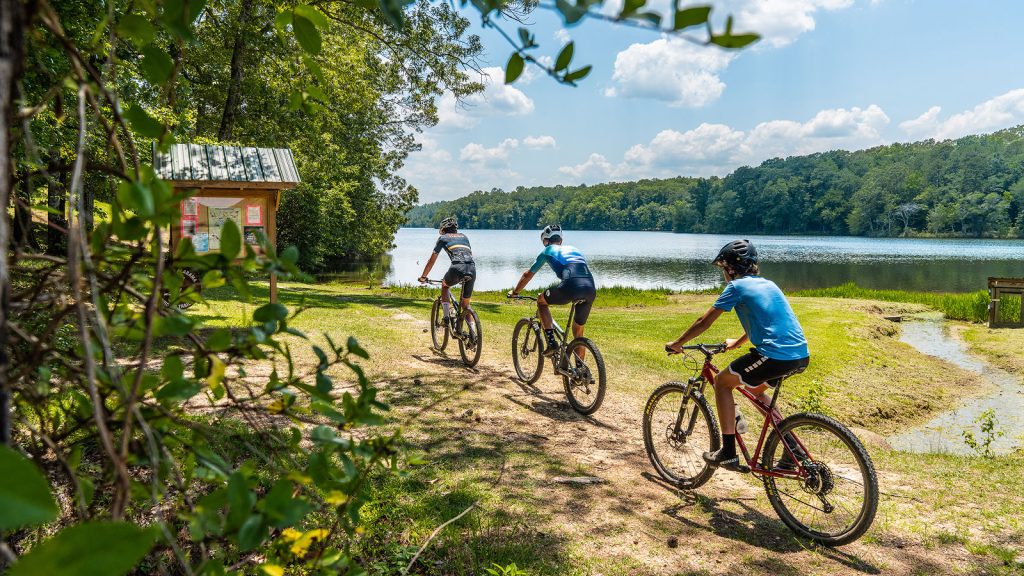
Lovers of the outdoors will find more than 60 campsites for tents and RVs, a public beach for swimmers, a brand-new playground and other facilities, and more than 23 miles of hiking and biking trails. Lake Lurleen is also stocked with largemouth bass, bream, catfish, and crappie for anglers.
NOTE: Lake Lurleen State Park has completed a major renovation and has reopened. Lodging reservations can be made by clicking here.
Lake Tuscaloosa
Lake Tuscaloosa is by far the largest of the three lakes owned by the city and was created by damming North River in the 1960s. The work wrapped up in 1970, creating the mighty 5,885-acre Lake Tuscaloosa, which holds an astonishing 40 billion gallons of water.
There are more than 177 miles of shoreline at Lake Tuscaloosa for paddlers to explore, and a handful of public and private boat ramps allow access from different points.
Lake Tuscaloosa Public Boat Landings:
- Rock Quarry Boat Landing: 2230 New Watermelon Rd. Tuscaloosa, AL 35406
- Sharpes Landing: 13670-13698 Sharpes Lake Rd. Northport, AL 35473 (travel to the end of Sharpes Lake Rd)
- Binion Creek Landing: 16553 Binion Creek Heights, Northport, AL 35475
Unlike Lake Nicol and Harris Lake, Lake Tuscaloosa is home to extensive residential development and sees far more motorboat traffic for fishing and recreational water sports such as tubing, skiing, and wakeboarding. Keep an eye out for larger boats, give them plenty of space, and mind their wake to stay safe and dry in small vessels.
Tuscaloosa’s Water Experiences
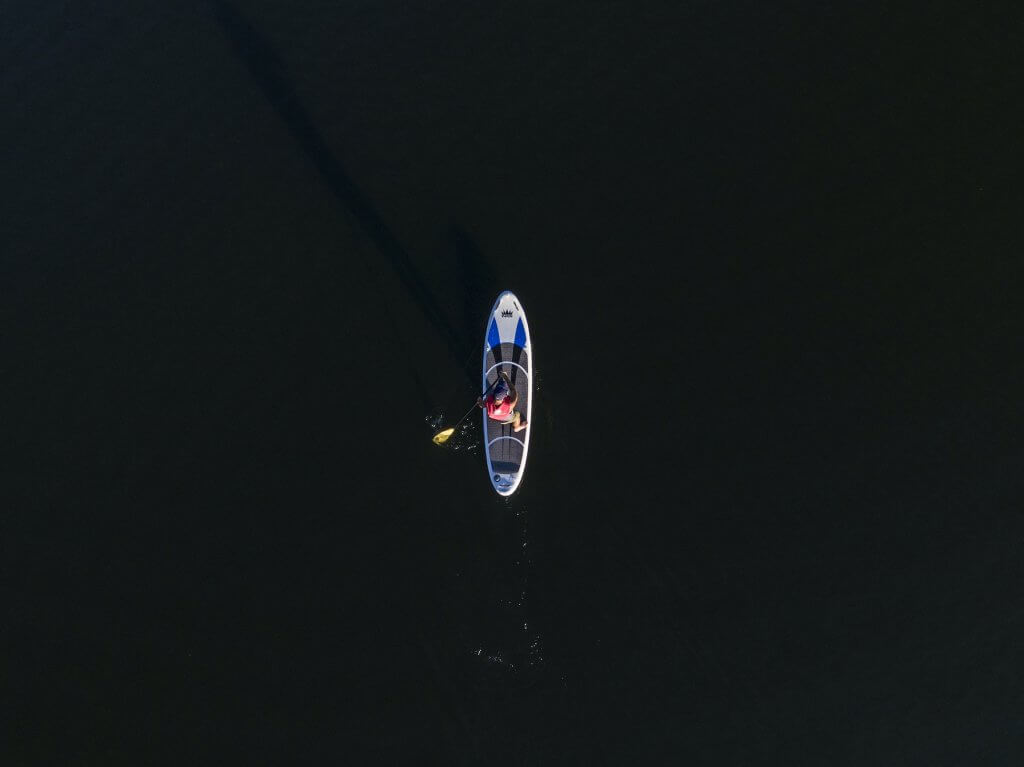
Whether you’re a seasoned paddler chasing moving water on Hurricane Creek or a first-timer renting a kayak at Lake Lurleen, Tuscaloosa’s waterways offer something for everyone. Pack your paddle, bring a friend, and get out there — some of Alabama’s most beautiful scenery is best seen from the water. Check out visittuscaloosa.com for more on each of these locations to kayak, canoe, and paddleboard.
About Stephen Dethrage: A lifelong Alabama resident, Stephen Dethrage is an avid outdoorsman always looking for his next spot to kayak or hike. He is also the founder and editor of the Tuscaloosa Thread, a free, hyperlocal news website.