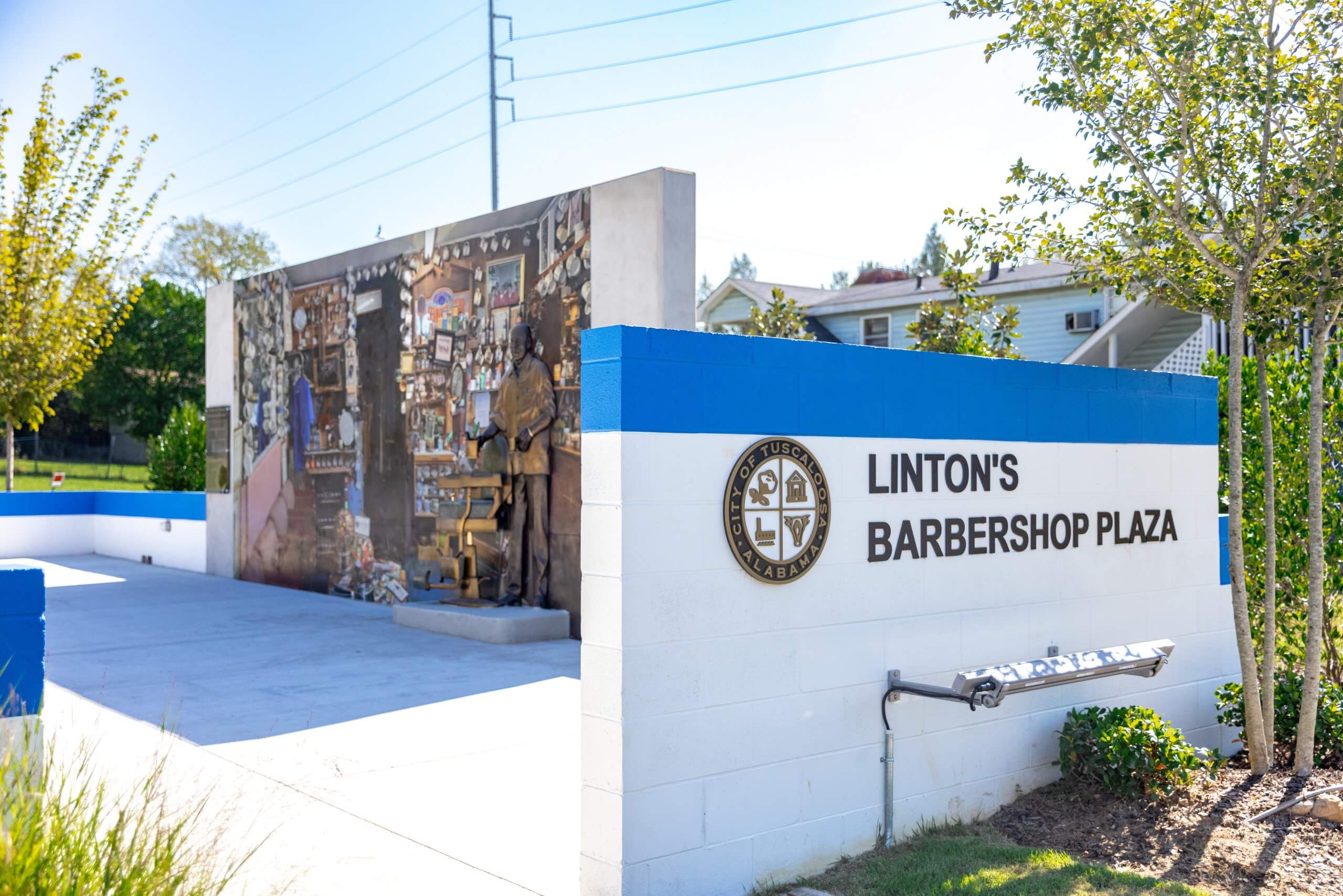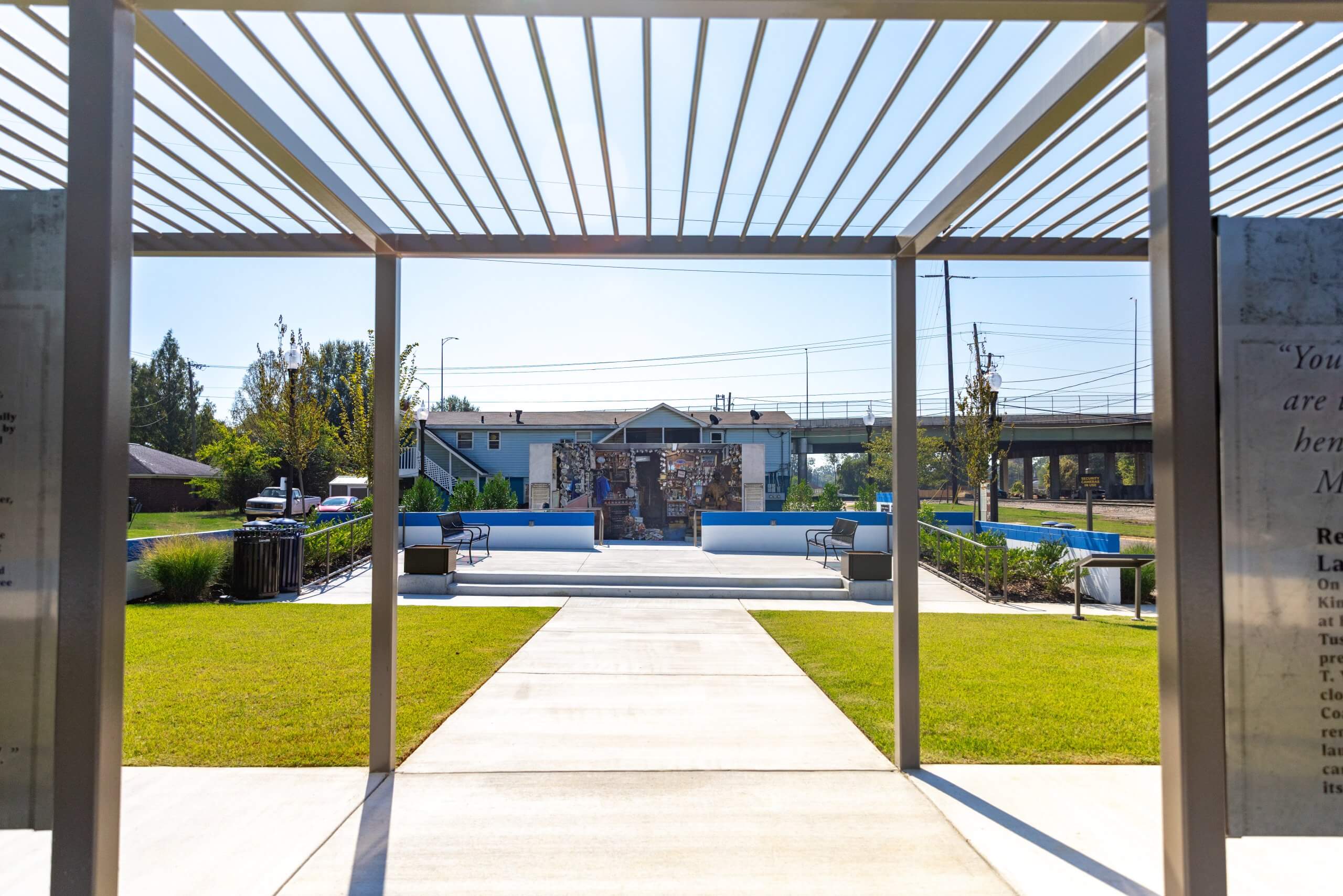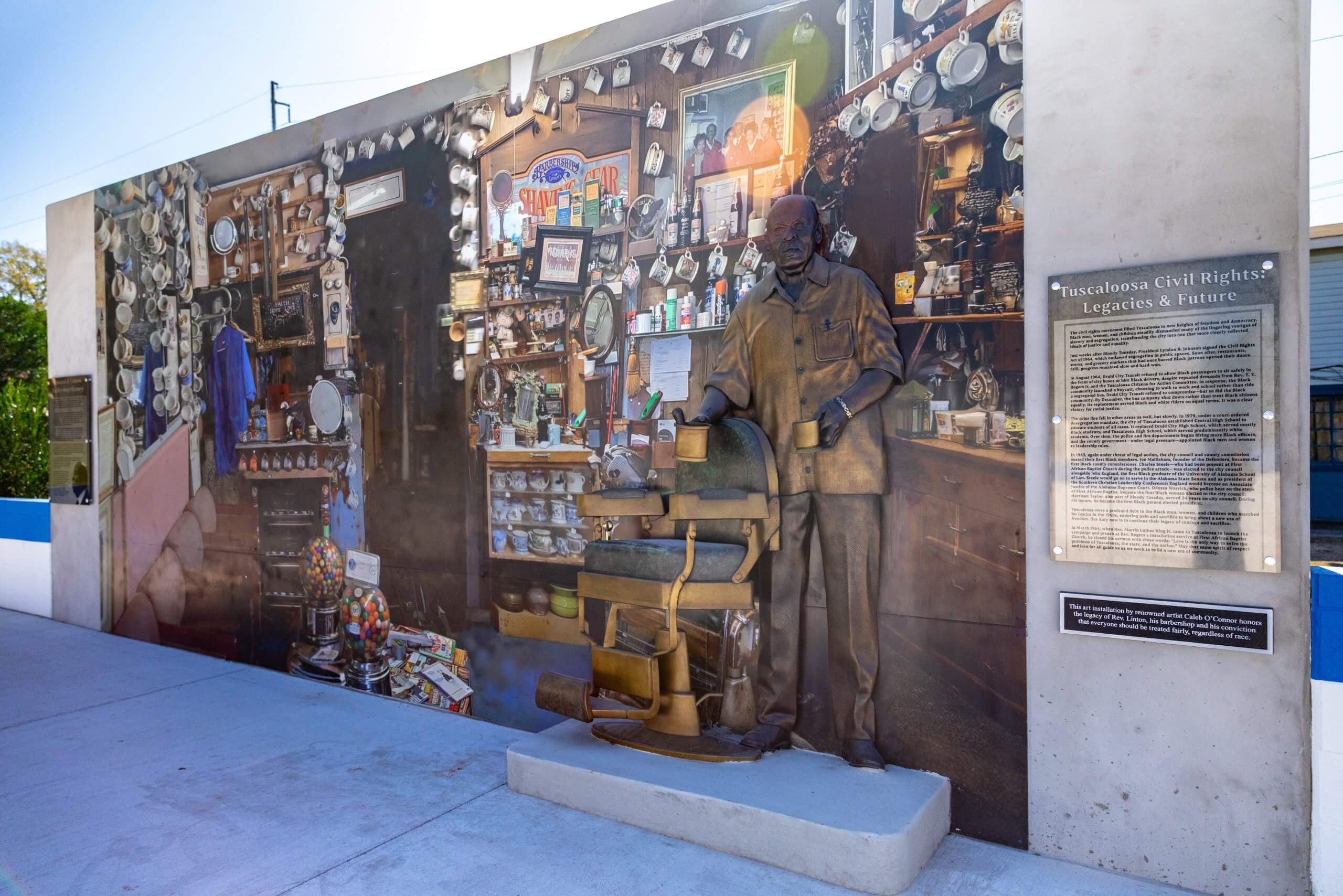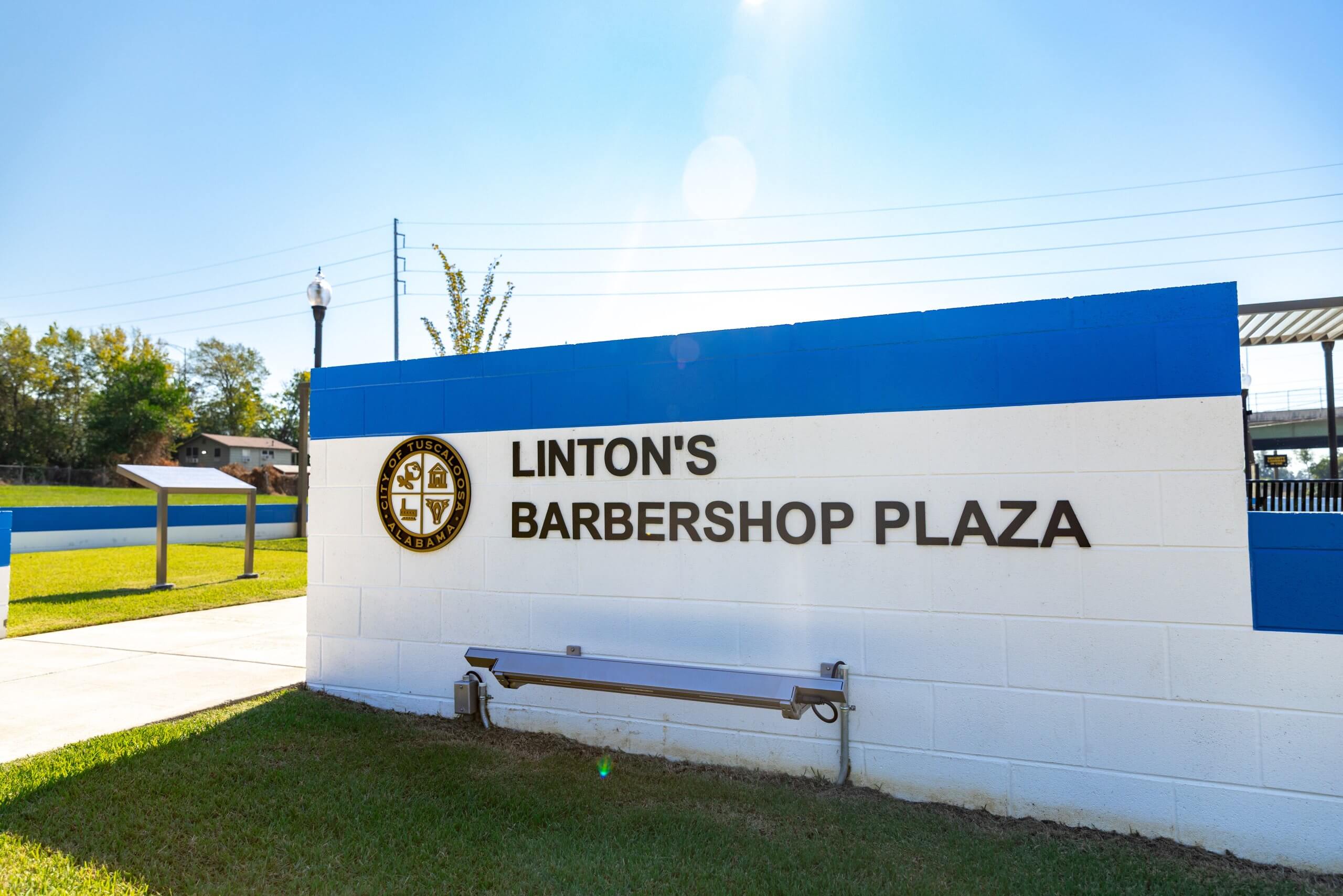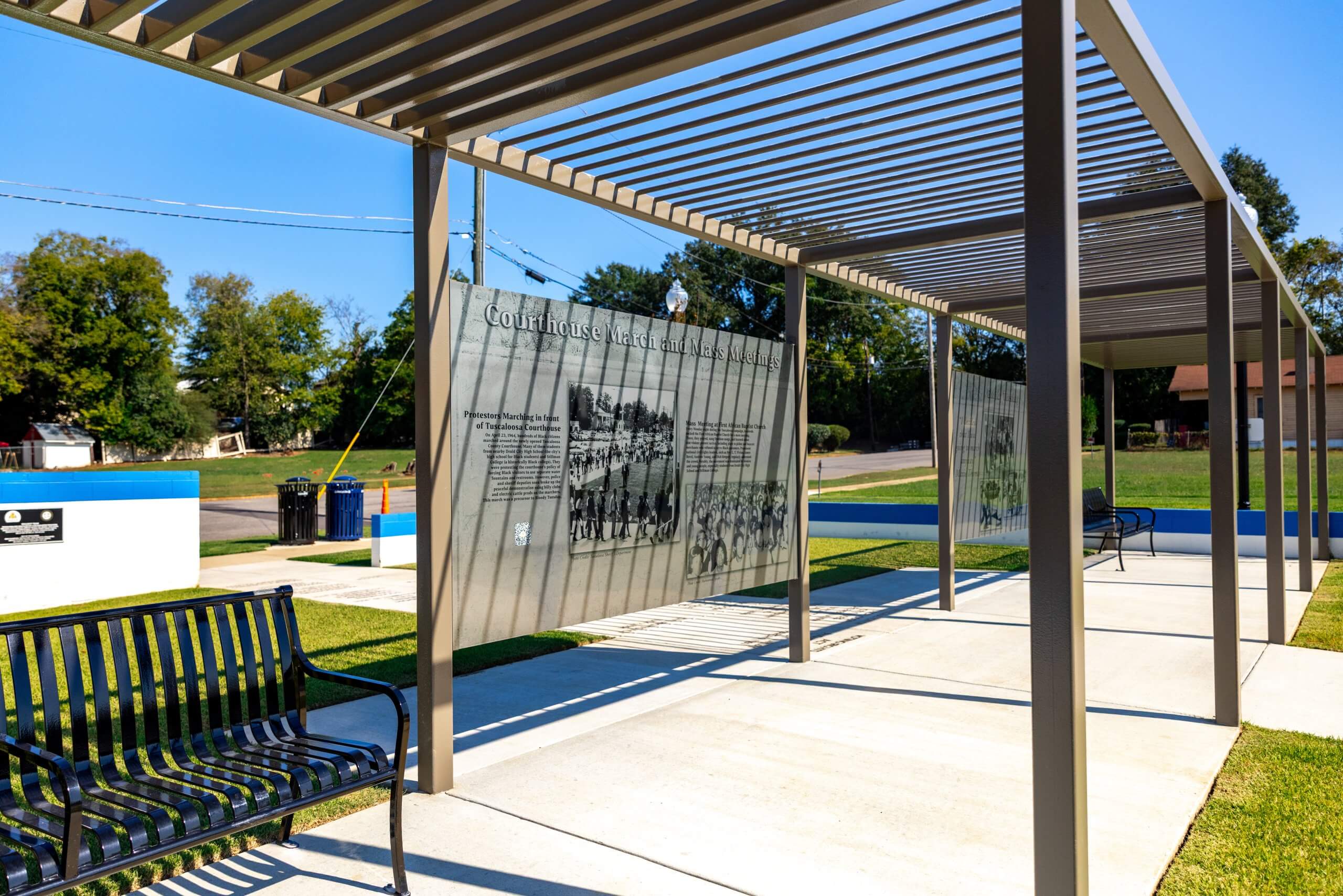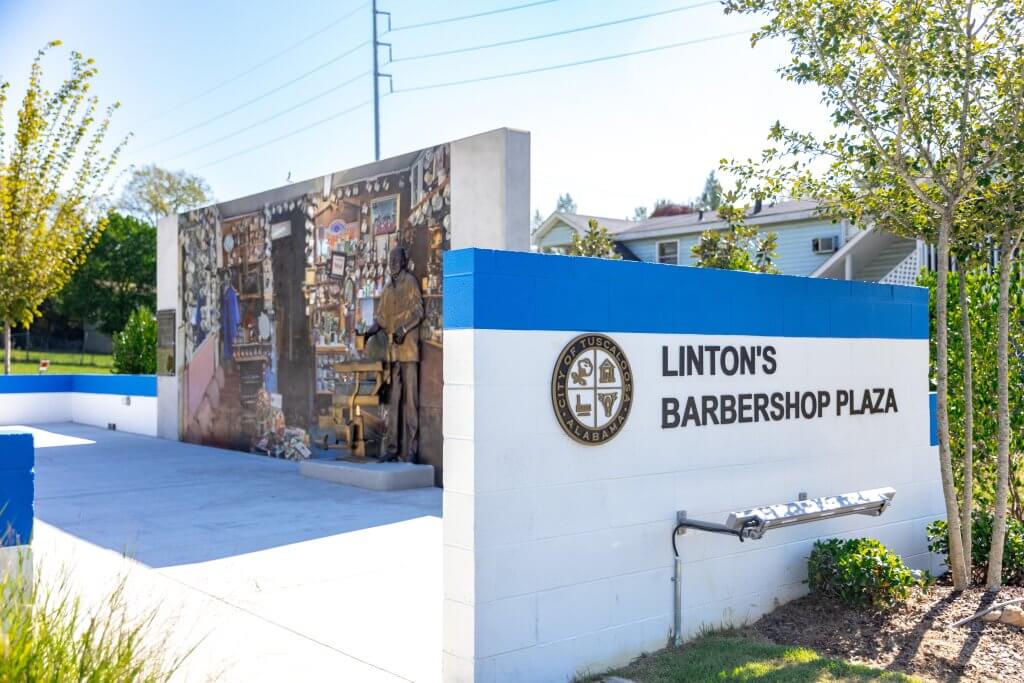
Discover an important piece of Tuscaloosa’s Civil Rights history at Linton’s Barbershop Plaza, a public space commemorating the historic Howard-Linton Barbershop and its role in the Civil Rights Movement.
The former barbershop served as a place of refuge during two pivotal moments in Tuscaloosa’s history. In 1956, it provided shelter for Autherine Lucy as she faced opposition to becoming the first Black student to attend The University of Alabama. During Bloody Tuesday on June 9, 1964, the barbershop once again became a safe haven for peaceful demonstrators facing violence.
Today, the plaza invites visitors to reflect on the courage, resilience and lasting impact of those who helped shape Tuscaloosa’s Civil Rights legacy.
An important stop along the Tuscaloosa Civil Rights Trail, Linton’s Barbershop Plaza is a meaningful addition to group tours, educational trips and leisure travel itineraries. Visitors can further explore the city’s history through the Tuscaloosa Civil Rights Trail Digital Passport, featuring 19 historic locations throughout the community.